The Complete Guide to iPhone Repair: Expert Fixes and Locating the Right Service
The process of iPhone repair can be overwhelming for many users. With issues ranging from app crashes to battery drain, understanding how to tackle these issues is crucial. Selecting the right repair service adds another layer of complexity. Understanding the nuances of DIY repairs versus professional help can greatly impact outcomes. As users navigate these choices, a number of important factors will shape their choices and possibly save them time and money.
Understanding Common iPhone Issues: Signs You Shouldn't Dismiss
Detecting frequent iPhone difficulties demands careful attention to multiple signs that could point to deeper problems. People need to stay alert to symptoms including persistent app shutdowns, which may suggest software conflicts or insufficient memory. A quickly depleting battery may indicate a deteriorating battery or overwhelming background processes. Furthermore, when the phone becomes excessively hot during normal operation, it could result from hardware failures or inefficiently developed applications.
Physical symptoms, such as a broken screen or unresponsive controls, require prompt attention to avoid additional damage. Network issues, including Wi-Fi or Bluetooth disruptions, commonly point to misconfigured network settings or underlying hardware faults. Finally, strange sounds during phone calls or speaker use could indicate speaker-related defects. Through early identification of these signs, individuals can reach well-informed conclusions about their repair choices, potentially saving time and money in the long run.
Tips for Finding the Right iPhone Repair Service
When seeking the top service provider for an Apple iPhone, people should examine a few important factors to ensure a satisfactory experience. First, reputation matters; reading online reviews and testimonials can provide insights into the reliability and quality of service. Furthermore, it's essential to verify the qualifications of the technicians, making sure they hold certifications and have experience with iPhone repairs.
Additionally, find out about warranties on repairs to safeguard against potential problems. The availability of genuine parts is also an important factor; employing authentic components can improve the lifespan of the unit. Pricing transparency is essential, as hidden fees can cause dissatisfaction. Finally, convenience factors like accessibility and completion time ought to be considered as well. By carefully considering these aspects, users can make an informed decision and identify a repair solution that meets their needs effectively.
When You Should Try DIY iPhone Repairs and When to Call for Help
Determining whether to attempt a DIY iPhone repair or seek professional help demands thoughtful evaluation of multiple factors. Examining the degree of the damage and the difficulty of the repair can assist in navigating the decision-making process. Additionally, the availability of the necessary tools plays a vital role in ensuring a successful outcome.
Evaluating Damage Severity
How can someone tell the difference between minor issues that can be fixed with DIY repairs and significant damage requiring professional assistance? Generally, symptoms such as cracked screens, battery issues, or software glitches usually point to problems manageable at home. Simple tools and internet guides can help users navigate these simple repairs. However, when major damage happens—such as water damage, internal component failure, or persistent software errors—seeking professional assistance is recommended. These situations may involve complex repairs that require specialized knowledge and equipment. Furthermore, trying to repair severe problems without expertise may worsen the situation or void warranties. At the end of the day, examining the device's problems and recognizing one's technical limitations are essential for deciding whether to proceed independently or seek professional assistance.
Repair Complexity
Determining the complexity of an iPhone repair is essential for deciding between a iphone battery replacement winterstoke bristol DIY method and professional help. Basic problems, such as display replacements or battery changes, may be feasible for those with fundamental technical knowledge and confidence. However, repairs concerning intricate components, such as the main circuit board or internal components, often necessitate expert expertise and instruments. Attempting complex repairs without proper knowledge can lead to further damage, compounding costs and problems. Additionally, warranty considerations play a major role; DIY repairs may void existing warranties. As a result, device owners should assess their skill level, the extent of the issue, and potential risks before moving forward. When in doubt, reaching out from a certified technician can ensure appropriate care and reassurance.
Accessibility of Tools
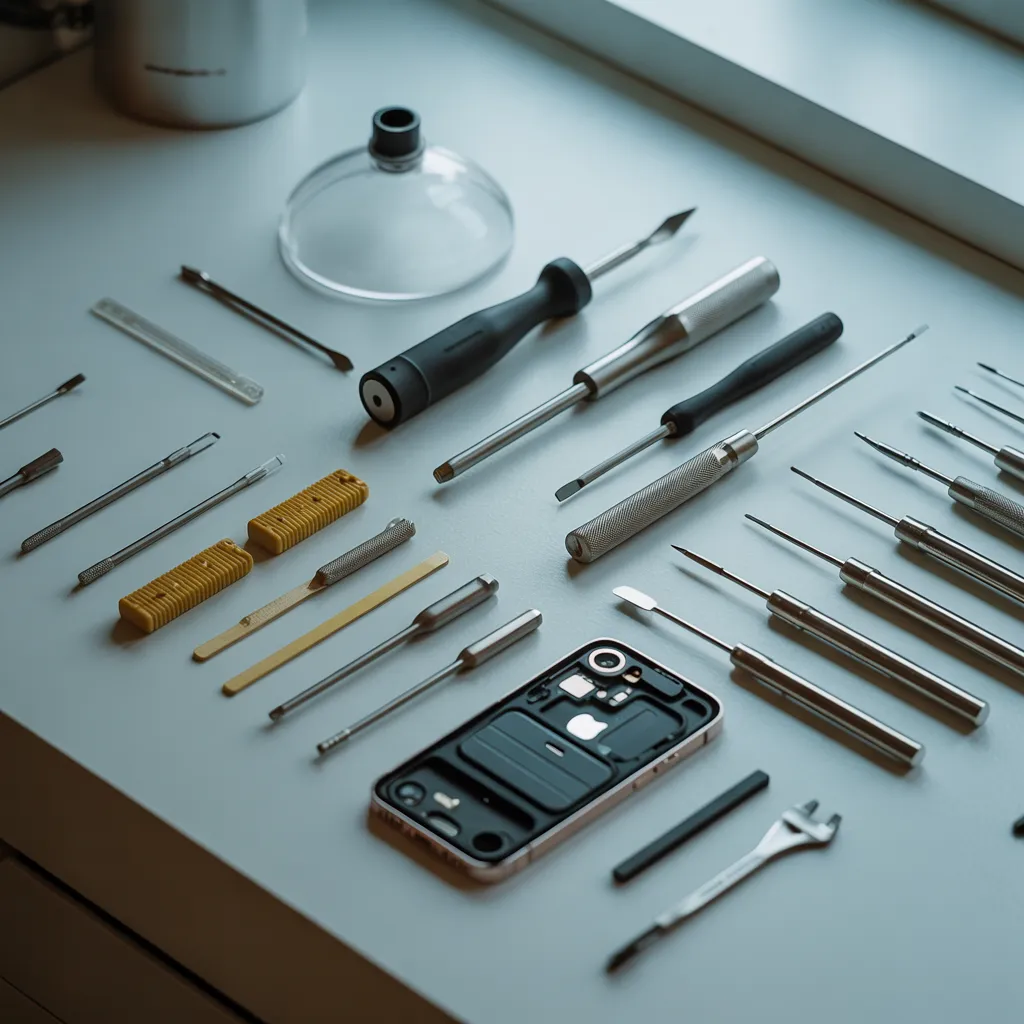
The presence of necessary tools significantly affects the decision to undertake DIY iPhone repairs. For individuals who possess the necessary tools, such as precision screwdrivers, spudgers, and suction cups, minor repairs like screen replacements or battery swaps may be feasible. Yet, the absence of appropriate tools may turn even straightforward tasks into challenges, leading to frustration or further damage.
On the other hand, people dealing with complicated problems or without the necessary equipment are advised to seek the services of a qualified technician. Skilled technicians have access to sophisticated equipment and the expertise needed to tackle difficult problems, providing reliable and safe outcomes. At the end of the day, the determination rests on the nature of the problem and the accessibility of suitable equipment, leading people to decide between handling the repair themselves or turning to a professional for the most favorable results.
iPhone Repair Pricing: What You Should Know
Comprehending iPhone repair costs is essential for anyone experiencing difficulties with their iPhone. Typical repair cost ranges can differ significantly based on what kind of damage is present and depending on whether the user chooses self-repair methods or expert assistance. Moreover, multiple factors affect these expenses, making it necessary to evaluate every available option prior to making a decision.
Common Repair Price Ranges
Having an iPhone repaired can often appear to be a confusing financial journey, with costs fluctuating greatly based on the type of damage and model. Screen replacements typically range from $100 to $300, based on the iPhone model, with more recent models carrying higher costs. Battery replacements usually range from $50 and $100, while more serious concerns, such as water damage or motherboard repairs, can push expenses to $300 or more. In addition, fixes for charging port or camera problems can range from $150 to $250. Users should also consider applicable diagnostic costs, which might increase the overall expense. Knowing these general price ranges can assist iPhone users in planning for repair expenses and making well-informed choices.
Factors Influencing Repair Costs
While various factors come into play, the type of the iPhone is a major determinant of repair costs. More recent models generally carry higher repair costs due to advanced technology and components. Furthermore, the type of the damage greatly influences costs; damage like broken screens may cost less to address compared to water damage or circuit board failures. The accessibility of parts also has a significant impact; hard-to-find components may drive up prices. Furthermore, the selection of repair service—be it certified or third-party—influences costs, with authorized services usually charging more for their expertise and warranty. Lastly, location can affect prices, as metropolitan locations tend to carry steeper labor fees than countryside alternatives. Being aware of these elements allows customers to better plan for repair costs.
DIY vs. Hiring a Professional
When choosing between DIY repairs and professional services, people commonly balance the possible cost benefits against the dangers involved. DIY fixes can appear attractive because of reduced expenses, as replacement components are easily accessible online. However, this approach carries the risk of further damage, nullifying warranties, or impairing the functionality of the device. In contrast, professional services usually require a larger investment but deliver expert skill, making certain that fixes are performed accurately. Many professional shops back their work with warranties, giving customers confidence. At the end of the day, consumers should assess their confidence in handling technical challenges, the worth of their time, and the significance of preserving device reliability when choosing between self-repair and professional service solutions. Striking a balance between cost and quality is key to successful iPhone repairs.
Manufacturer Warranty vs. Third-Party Repairs: How to Make the Right Decision
Choosing between warranty repairs and third-party services may prove to be a complex decision for those who use iPhones. Warranty repairs, typically provided by Apple or approved service providers, ensure the use of genuine components and maintain the device's warranty status. These choices commonly offer trustworthy service but might include lengthier turnaround times and increased expenses.
On the other hand, independent repair services can deliver speedier and budget-friendly alternatives. However, opting for unauthorized repair providers may compromise your existing warranty protection, and the standard of components and technical knowledge can vary widely. Users should carefully consider the possible drawbacks linked to outside repair solutions, such as the chance of low-quality materials or unsatisfactory workmanship.
At the end of the day, the selection copyrights on the person's needs—whether they favor guaranteed quality and warranty protection or desire more affordable and quicker repair solutions. Evaluating individual circumstances can provide clarity for this significant choice.
Ways to Keep Your iPhone in Top Shape and Avoid Future Problems
Maintaining an iPhone can greatly extend its lifespan and improve performance. Regular software updates are essential, as they frequently contain important security patches and performance enhancements. Users should also keep track of available storage by regularly deleting unused apps, pictures, and data, which can prevent slowdowns.
Keeping the device clean is essential; using a soft, lint-free cloth helps maintain the screen and casing. Moreover, it is advisable for users to keep their iPhones away from extreme temperatures, as this can damage internal components. A protective case and screen protector can provide additional defense against physical damage.
Battery maintenance is another vital factor; iPhone owners should handle charging carefully, steering clear of overnight charging and excessive battery depletion. Additionally, consistent data backups guarantee that valuable information is protected, alleviating concerns should unanticipated issues arise. By implementing these practices, iPhone owners can significantly reduce the chances of encountering future issues.
Questions We Often Receive
How Long Does an Average iPhone Repair Take?
An average iPhone repair typically takes anywhere from one to two hours, depending on the issue and the technician's expertise. Complex repairs, including water damage, could take longer to allow for a detailed assessment and full restoration.
Can I Still Use My iPhone When It's Being Serviced?
During iPhone repairs, users typically cannot use their device. Most repairs necessitate that the phone be turned off or disassembled, making its features inaccessible until the technician completes the necessary work.
What Tools Are Necessary for DIY iPhone Repairs?
Essential tools for DIY iPhone repairs include a precision screwdriver set, a spudger, tweezers, a suction cup, and a heat gun. These instruments facilitate safe disassembly, component handling, and reassembly, allowing for effective repairs while limiting the possibility of harm.
Can I Safely Fix My iPhone in Humid Conditions?
Fixing an iPhone in moist conditions is typically risky. Moisture can damage internal parts, leading to further problems. It's advisable to operate in a moisture-free environment to ensure successful repairs and minimize potential complications.
How Can I Back up My iPhone Before Repairs?
To create a backup of an iPhone prior to repairs, one may utilize iCloud by activating the backup settings or attach the device to a computer and employ iTunes or Finder, ensuring all data is securely stored.